

Awaken Your Inner Rebel: How Writers Overcome Self‑Criticism and Create Anyway

Updated: Sep 25
Want to receive my weekly blog? Sign up for author insights, new stories and creative updates straight to your inbox every week. Your support means everything!
One of the hardest parts of creative writing—for me, at least—is the instinct to self‑correct every sentence the moment it hits the page. I’ve got a rough astrology aspect in my natal chart: Mercury in Scorpio square Saturn in Leo, within one degree. Translation? A built‑in inner critic with a megaphone. For years, I couldn’t finish anything. I had unfinished drafts everywhere, like creative landmines scattered across my life. I’d write a paragraph, revise it immediately, and destroy the spark before it had a chance to breathe.
I was also raised in a strict religious home where repression was the norm. No foul language, no violence, no sex, no taboo themes—basically nothing that makes literature interesting. But I was born at the tail end of Gen X, and the grunge era hit me right in the soul. I was inspired by the off‑the‑grid types, the weirdos, the rebels. I worshiped Dean Koontz as a teen—a self‑proclaimed Libertarian who wrote like he didn’t care what anyone thought.
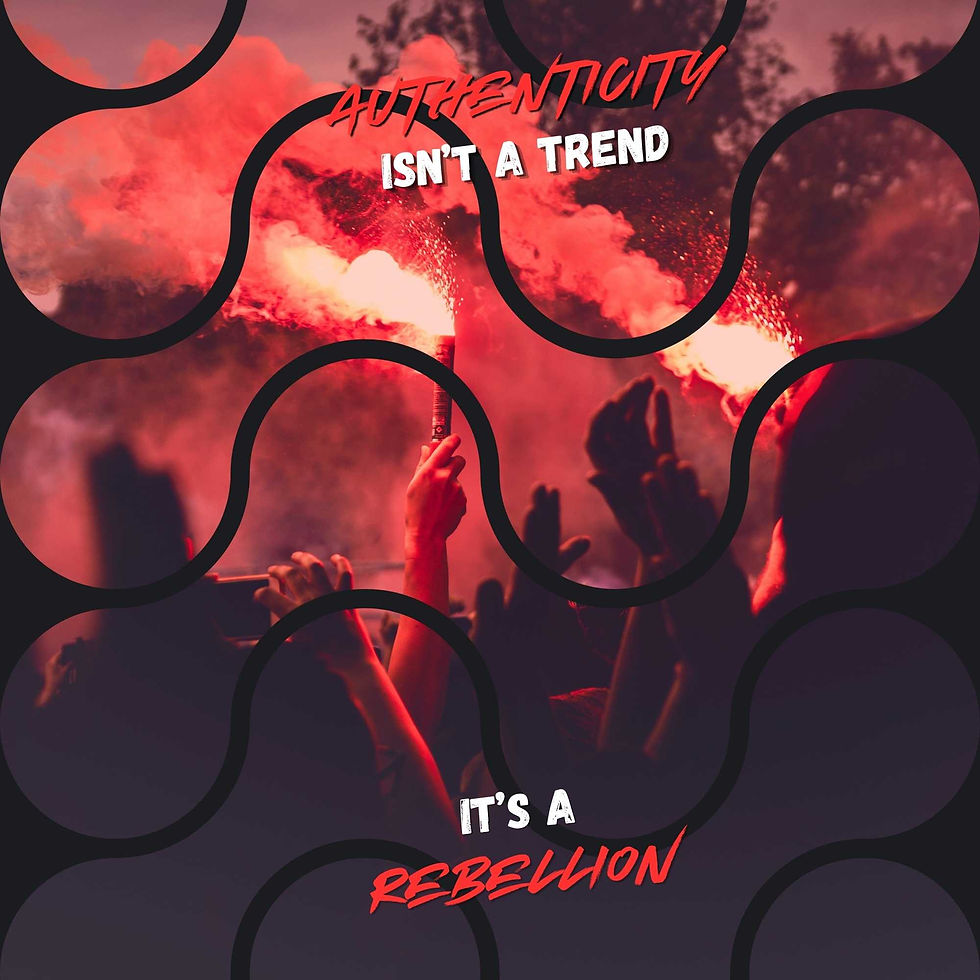
So yes, I’m a rebel. A quiet one. I’ve never gotten a tattoo (mostly because I was broke-ass poor for most of my life), and I’ve never joined a protest (though I’ve cheered from the sidelines). But I’ve never understood why society works so hard to subdue individuality. It feels uncomfortably close to eugenics. Even personality tests annoy me—they always favor confident extroverts. Why can’t the world accept that we need all kinds of people to make the world go around?
Self‑correcting stops so many people from ever expressing themselves. I’ve known people who desperately wanted to write but couldn’t bring themselves to put down a single sentence out of fear of criticism. And honestly, the world encourages this. We worship materialism. Only things that make money are considered valuable. Creativity becomes a commodity instead of a calling.
But this is exactly when you have to dig deep, awaken your inner rebel, and do it anyway.
With a vicious Saturn‑Mercury square, a strict religious upbringing, layers of trauma I won’t unpack here, and raised in a culture obsessed with profit, I had every reason not to write. But on February 1st, 2024, I said fuck this and started anyway. I wrote eight novels that year and haven’t stopped since.
Do I still want to revise everything the moment it leaves my fingertips? Absolutely. But I’ve developed strategies to keep myself from sabotaging my own work.
Strategies for Writers Who Self‑Correct Too Much
1. Have a purpose and a vision ✨

Your purpose doesn’t have to be profound, but you need to know what your voice is about. Mine? Representing underserved people—trauma survivors, the poor, the overlooked. Popular fiction trivializes trauma, romanticizes poverty, and stereotypes everyone else. I’m not an expert, but I care deeply about people who don’t seem to matter in mainstream narratives.
Will this make me rich? Probably not. That’s why I got a technical writing degree—to pay the bills so my fiction doesn’t have to.
2. Write as informally as possible 📝
Trick your brain into thinking you’re not writing A Big Serious Novel. I jot notes in journals, scribble in notebooks, and write entire chapters in the Notes app on my phone. Changing your writing environment can loosen the grip of perfectionism and keep you from backspacing your soul into oblivion.
3. Don’t edit your first draft ✂️
Editing while drafting is a slippery slope. I learned in college that writing and editing are two different processes, and mixing them is creative sabotage. My first drafts are hot messes—and I love them that way.
4. Love your limitations ❤️🔥
No one is good at everything. I love dialogue and could write an entire book of it. I often forget to describe settings or physical actions and have to add them later. That’s fine. Lean into your strengths. If you’re great at action scenes, write a whole chain of them. If you love exposition, ramble your heart out. Your strengths are your anchor; the rest can be built with skill and revision.

5. Read your rough draft like a twelve‑year‑old 🌙
Remember when you were a kid and you thought everything was cool? When you didn’t judge art, you just enjoyed it? Channel that kid. Let them read your messy draft. Let them hype you up. Your inner child thinks you’re a rock star.
Who This Blog Is For
I’m not writing this for people who have never felt insecure. I’m not writing for authors who chase trends or mimic bestsellers for profit. I’m writing for the people who never believed they had a voice. The ones who are terrified to share it. The ones who want to write something real but don’t know how to begin.

We need more authenticity in fiction. More real stories. I’m exhausted by the same recycled tropes. Every bestselling thriller seems to involve a missing daughter, a cheating husband, or a wealthy couple in crisis. It’s wild how many books center on rich people when 44 percent of the world’s population lives on less than $6.85 per day. I'd call that poverty, wouldn't you?
And don’t get me started on romance tropes. Somehow, there are dozens of them, yet they all read like the same book in different packaging. Sure, it sells. But if you yearn to share something inspired—something that comes from your lived experience—maybe this will help.
Because honestly? If you read the memoir of my life (which I may or may not publish someday), you’d agree it’s a miracle I’ve been able to write at all.
Stay close to the story. If you want more writing reflections, behind‑the‑scenes notes, early book news, and the quiet thoughts I don’t share anywhere else, join my weekly newsletter. It’s where the real conversations happen — honest, unfiltered, and straight from my writing desk to your inbox.
Subscribe and come a little closer.


Comments